
NFPA Fire Codes Explained: What Every Business Needs to Know

The National Fire Protection Association (NFPA) is a leading organization dedicated to fire prevention and safety. Established in 1896, the NFPA has developed a comprehensive set of codes and standards that serve as a benchmark for fire safety practices across various industries. These codes are designed to minimize the risk of fire incidents, protect lives, and safeguard property.

The NFPA codes are not merely guidelines; they are essential regulations that inform how buildings are constructed, maintained, and operated to ensure the highest level of safety. The NFPA codes encompass a wide range of topics, including fire prevention, emergency response, and the safe use of flammable materials. Among the most significant of these codes is NFPA 1, the Fire Code, which provides a framework for fire safety regulations applicable to all types of occupancies.

This code is regularly updated to reflect new research, technological advancements, and lessons learned from past fire incidents. Understanding these codes is crucial for businesses, as compliance not only enhances safety but also mitigates legal liabilities and insurance costs.

Key Takeaways

  • NFPA Fire Codes are a set of standards and regulations developed by the National Fire Protection Association to ensure fire safety in various settings.
  • Businesses need to understand the importance of NFPA Fire Codes as they are designed to protect lives, property, and the environment from fire hazards.
  • Key NFPA Fire Code requirements for businesses include proper installation and maintenance of fire protection systems, emergency exit plans, and employee training on fire safety procedures.
  • Compliance with NFPA Fire Codes is enforced by local authorities and failure to comply can result in fines, penalties, and even business closure.
  • Common violations of NFPA Fire Codes in businesses include blocked emergency exits, inadequate fire extinguishers, and lack of proper fire alarm systems.

Understanding the Importance of NFPA Fire Codes for Businesses

For businesses, adherence to NFPA fire codes is not just a matter of regulatory compliance; it is a fundamental aspect of operational integrity and risk management. The implications of non-compliance can be severe, ranging from hefty fines to catastrophic losses in the event of a fire. By following NFPA guidelines, businesses can create a safer environment for employees, customers, and visitors, thereby fostering trust and confidence in their operations.

Moreover, compliance with NFPA fire codes can significantly impact a business’s insurance premiums. Insurance companies often assess the fire safety measures in place when determining coverage rates. Businesses that demonstrate adherence to NFPA standards may benefit from lower premiums, as they are perceived as lower risk.

This financial incentive underscores the importance of integrating fire safety into the overall business strategy, making it an essential consideration for any organization.

Key NFPA Fire Code Requirements for Businesses
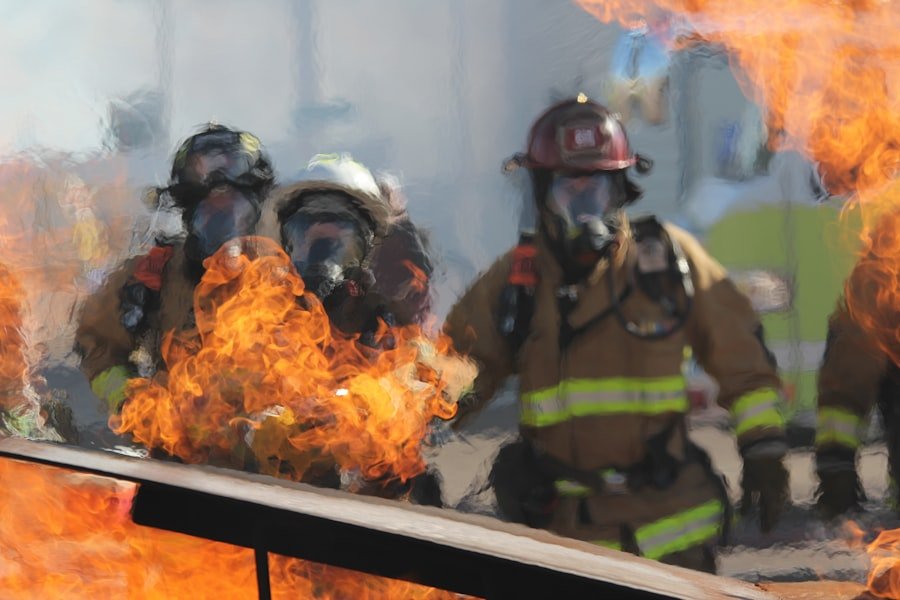
The NFPA fire codes outline several critical requirements that businesses must adhere to in order to ensure fire safety. One of the primary components is the establishment of a comprehensive fire prevention plan. This plan should include regular inspections of fire protection systems, such as sprinklers and alarms, as well as protocols for maintaining clear egress routes.

Businesses are also required to conduct employee training on fire safety procedures, ensuring that all staff members are aware of their roles in the event of an emergency. Another key requirement is the proper storage and handling of hazardous materials. Many businesses deal with flammable substances that pose significant risks if not managed correctly.

The NFPA codes provide specific guidelines on how to store these materials safely, including the use of appropriate containers and labeling practices. Additionally, businesses must ensure that their facilities are equipped with adequate fire suppression systems tailored to the specific hazards present in their operations.

Compliance and Enforcement of NFPA Fire Codes

Compliance with NFPA fire codes is enforced at various levels, including local, state, and federal authorities. Fire marshals and inspectors play a crucial role in this enforcement process by conducting regular inspections of commercial properties to ensure adherence to established standards. These inspections often involve a thorough review of fire protection systems, emergency exits, and overall safety protocols.

In many jurisdictions, businesses are required to submit documentation demonstrating compliance with NFPA codes during the permitting process for new construction or renovations. Failure to comply can result in delays in obtaining necessary permits or even legal action against the business. It is essential for organizations to stay informed about local regulations and engage with fire safety professionals who can assist in navigating the complexities of compliance.

Common Violations of NFPA Fire Codes in Businesses

Despite the clear guidelines set forth by the NFPA, many businesses still fall short in their compliance efforts.

Common violations include inadequate maintenance of fire protection systems, such as failing to conduct regular inspections or testing of fire alarms and sprinkler systems.

These oversights can lead to catastrophic failures during an emergency when these systems are needed most.

Another frequent violation involves obstructed egress routes. Businesses often overlook the importance of maintaining clear pathways for evacuation during a fire emergency. This can include blocked exits or improperly stored materials that impede access to emergency exits.

Such violations not only endanger lives but can also result in significant legal repercussions if an incident occurs.

Steps for Businesses to Ensure Compliance with NFPA Fire Codes

To ensure compliance with NFPA fire codes, businesses should take a proactive approach by developing a comprehensive fire safety plan tailored to their specific operations. This plan should include regular training sessions for employees on fire safety protocols and emergency response procedures. Engaging employees in these discussions fosters a culture of safety within the organization.

Additionally, businesses should conduct routine audits of their facilities to identify potential hazards and areas for improvement. This includes assessing fire protection systems, ensuring that they are up-to-date and functioning correctly. Collaborating with certified fire protection professionals can provide valuable insights into best practices and help businesses stay compliant with evolving NFPA standards.

Benefits of Compliance with NFPA Fire Codes for Businesses

The benefits of complying with NFPA fire codes extend beyond mere legal obligations; they encompass a wide range of advantages that can enhance overall business operations. One significant benefit is the reduction in insurance costs associated with lower risk profiles. Insurers often reward businesses that demonstrate robust fire safety measures with lower premiums, translating into substantial savings over time.

Moreover, compliance fosters a safer work environment, which can lead to increased employee morale and productivity. When employees feel secure in their workplace, they are more likely to perform at their best. Additionally, businesses that prioritize safety are often viewed more favorably by customers and clients, enhancing their reputation in the marketplace.

Resources and Support for Businesses to Navigate NFPA Fire Codes

Navigating the complexities of NFPA fire codes can be daunting for many businesses; however, numerous resources are available to assist them in this endeavor. The NFPA itself offers a wealth of information through its website, including access to codes and standards, educational materials, and training programs designed specifically for business owners and employees.

Local fire departments often provide resources and support as well.

Many offer free consultations or workshops aimed at educating businesses about fire safety regulations and best practices. Additionally, industry associations may provide tailored guidance based on specific sectors, helping businesses understand how NFPA codes apply to their unique circumstances. In conclusion, understanding and adhering to NFPA fire codes is essential for businesses seeking to protect their employees, customers, and assets from the devastating effects of fire incidents.

By prioritizing compliance and leveraging available resources, organizations can create safer environments while reaping the numerous benefits associated with effective fire safety practices.

FAQs

What are NFPA fire codes?

NFPA fire codes are a set of standards and regulations developed by the National Fire Protection Association (NFPA) to ensure the safety of buildings and occupants in the event of a fire.

Why are NFPA fire codes important for businesses?

NFPA fire codes are important for businesses because they help to establish minimum requirements for fire safety in buildings, including measures for fire prevention, detection, and suppression. Compliance with these codes is essential for protecting employees, customers, and property.

What are some common NFPA fire codes that businesses need to be aware of?

Some common NFPA fire codes that businesses need to be aware of include NFPA 101: Life Safety Code, NFPA 1: Fire Code, NFPA 13: Standard for the Installation of Sprinkler Systems, and NFPA 72: National Fire Alarm and Signaling Code.

How can businesses ensure compliance with NFPA fire codes?

Businesses can ensure compliance with NFPA fire codes by conducting regular fire safety inspections, implementing fire prevention and protection measures, and staying informed about updates and changes to the codes. It is also important to work with qualified professionals, such as fire protection engineers and contractors, to ensure that fire protection systems are properly installed and maintained.

What are the consequences of non-compliance with NFPA fire codes?

Non-compliance with NFPA fire codes can result in fines, legal liabilities, and increased risk of fire-related injuries and property damage. It can also lead to business disruptions and reputational damage. Therefore, it is crucial for businesses to take NFPA fire codes seriously and prioritize fire safety.

Photo Fire extinguisher

OSHA Fire Safety Requirements: How to Keep Your Business Compliant

The Occupational Safety and Health Administration (OSHA) plays a pivotal role in ensuring workplace safety across various industries, including fire safety. OSHA’s regulations are designed to protect employees from fire hazards that can lead to serious injuries or fatalities. One of the key components of OSHA’s fire safety requirements is the necessity for employers to conduct a thorough fire risk assessment.

This assessment involves identifying potential fire hazards within the workplace, evaluating the risks associated with those hazards, and implementing appropriate measures to mitigate them. For instance, in a manufacturing facility, flammable materials, electrical equipment, and heat-producing machinery may pose significant fire risks that need to be addressed. In addition to risk assessments, OSHA mandates that employers develop and maintain a written fire safety plan.

This plan should outline the procedures for preventing fires, responding to fire emergencies, and conducting regular fire drills. Employers are also required to ensure that employees are aware of the fire safety plan and understand their roles in the event of a fire. This includes knowing the locations of fire exits, understanding how to use fire extinguishers, and being familiar with evacuation routes.

By adhering to these requirements, businesses not only comply with OSHA regulations but also foster a culture of safety that can significantly reduce the likelihood of fire-related incidents.

Key Takeaways

  • OSHA’s fire safety requirements are designed to protect employees and property from the dangers of fire.
  • A comprehensive fire safety plan for your business should include evacuation procedures, fire extinguisher locations, and emergency contact information.
  • Regular fire safety inspections are crucial for identifying and addressing potential hazards in the workplace.
  • Providing fire safety training for employees can help prevent fires and ensure everyone knows how to respond in an emergency.
  • Installing and maintaining fire safety equipment, such as smoke detectors and sprinkler systems, is essential for protecting your business and employees.

Creating a Fire Safety Plan for Your Business

Developing a comprehensive fire safety plan is essential for any business aiming to protect its employees and assets from fire hazards. A well-structured fire safety plan should begin with a detailed assessment of the workplace environment. This includes identifying potential ignition sources, such as faulty wiring or improperly stored flammable materials, as well as evaluating the layout of the building to determine the most effective evacuation routes.

For example, in an office setting, it may be necessary to designate specific exits for different departments to ensure a swift and organized evacuation during an emergency. Once potential hazards have been identified, the next step is to establish clear procedures for preventing fires and responding to emergencies. This may involve implementing regular maintenance schedules for electrical systems and heating equipment, as well as ensuring that all employees are trained in proper fire safety practices.

Additionally, the plan should include protocols for reporting fires and activating alarm systems. It is crucial that this plan is not static; it should be reviewed and updated regularly to reflect any changes in the workplace environment or operations. Engaging employees in this process can also enhance their understanding and commitment to fire safety.

Conducting Regular Fire Safety Inspections

Regular fire safety inspections are a critical component of maintaining a safe workplace environment. These inspections should be conducted systematically and frequently to identify any potential hazards before they escalate into serious issues.

During an inspection, various elements should be evaluated, including the condition of fire exits, the functionality of alarm systems, and the accessibility of firefighting equipment such as extinguishers and hoses.

For instance, if an inspection reveals that a fire exit is blocked by storage materials, immediate action must be taken to clear the path and ensure compliance with safety regulations. In addition to physical inspections, it is also important to review documentation related to fire safety practices. This includes checking maintenance records for fire safety equipment and ensuring that all employees have received adequate training on fire response procedures.

By conducting thorough inspections on a regular basis, businesses can not only comply with OSHA regulations but also create a proactive approach to fire safety that minimizes risks and enhances overall workplace safety.

Providing Fire Safety Training for Employees

Employee training is a fundamental aspect of any effective fire safety program. It is essential that all employees understand the potential fire hazards present in their workplace and are equipped with the knowledge and skills necessary to respond appropriately in case of an emergency. Training sessions should cover a variety of topics, including how to use fire extinguishers, recognizing the sound of alarms, and understanding evacuation procedures.

For example, hands-on training with different types of extinguishers can help employees feel more confident in their ability to respond effectively during a real emergency. Moreover, training should not be a one-time event; it should be an ongoing process that includes regular refresher courses and updates on any changes to fire safety protocols or equipment. Engaging employees through interactive training methods—such as simulations or role-playing scenarios—can enhance retention and ensure that they are prepared for various situations.

Additionally, fostering an open dialogue about fire safety can encourage employees to voice concerns or suggest improvements, creating a more collaborative approach to workplace safety.

Installing and Maintaining Fire Safety Equipment

The installation and maintenance of fire safety equipment are crucial elements in safeguarding a business against potential fire hazards. Essential equipment includes smoke detectors, fire alarms, sprinkler systems, and portable fire extinguishers. Each piece of equipment serves a specific purpose in detecting or suppressing fires, and their effectiveness relies heavily on proper installation and regular maintenance.

For instance, smoke detectors should be installed in strategic locations throughout the building—such as hallways, kitchens, and storage areas—to ensure early detection of smoke or heat. Regular maintenance checks are equally important; they ensure that all equipment is functioning correctly and complies with local codes and regulations. This may involve testing alarm systems monthly, inspecting extinguishers annually for pressure levels and physical damage, and ensuring that sprinkler systems are free from obstructions.

Keeping detailed records of maintenance activities not only helps businesses stay compliant with OSHA regulations but also provides valuable documentation in case of an incident.

Properly Storing Flammable Materials

The proper storage of flammable materials is a critical aspect of fire safety that cannot be overlooked. Many businesses handle substances that are highly combustible—such as chemicals, solvents, or fuels—and improper storage can lead to catastrophic consequences. To mitigate these risks, it is essential to follow established guidelines for storing flammable materials safely.

This includes using appropriate containers that are designed for hazardous materials and ensuring that they are clearly labeled with relevant hazard warnings. Additionally, flammable materials should be stored in designated areas away from ignition sources such as electrical equipment or open flames. For example, in a laboratory setting, flammable chemicals should be kept in flame cabinets or explosion-proof storage units that minimize the risk of ignition.

Furthermore, businesses should implement inventory management practices that ensure flammable materials are rotated regularly to prevent accumulation and reduce the likelihood of accidents.

Developing Emergency Response Procedures

An effective emergency response procedure is vital for minimizing chaos during a fire incident and ensuring the safety of all employees. These procedures should outline specific actions that employees must take when a fire alarm sounds or when they detect smoke or flames. For instance, employees should know whether they should attempt to extinguish small fires or evacuate immediately based on the severity of the situation.

Clear communication is essential; therefore, emergency response procedures should be easily accessible and prominently displayed throughout the workplace.

Moreover, conducting regular drills is an integral part of reinforcing these procedures. Fire drills allow employees to practice their responses in a controlled environment, helping them become familiar with evacuation routes and assembly points outside the building.

It is also beneficial to involve local fire departments in these drills; they can provide valuable feedback on response times and offer insights into improving emergency procedures. By developing comprehensive emergency response procedures and regularly practicing them, businesses can significantly enhance their preparedness for potential fire emergencies.

Staying Up-to-Date with OSHA Regulations

Staying informed about OSHA regulations is essential for any business committed to maintaining a safe work environment. OSHA frequently updates its standards based on new research findings, technological advancements, and changes in industry practices. Therefore, it is crucial for employers to regularly review these regulations to ensure compliance and protect their employees from potential hazards.

Subscribing to OSHA newsletters or participating in industry associations can provide valuable insights into regulatory changes and best practices. Additionally, businesses should consider conducting periodic audits of their fire safety programs against current OSHA standards. This proactive approach not only helps identify areas for improvement but also demonstrates a commitment to employee safety that can enhance company reputation.

Engaging with legal experts or consultants who specialize in OSHA compliance can further ensure that businesses remain aligned with evolving regulations while fostering a culture of safety within their organization.

FAQs

What are OSHA fire safety requirements?

OSHA fire safety requirements are regulations set by the Occupational Safety and Health Administration (OSHA) to ensure that businesses provide a safe and healthy work environment for their employees in relation to fire hazards.

What are some examples of OSHA fire safety requirements?

Examples of OSHA fire safety requirements include having fire extinguishers readily available, implementing an emergency action plan, providing proper training for employees on fire safety procedures, and maintaining clear exit routes.

How can businesses ensure compliance with OSHA fire safety requirements?

Businesses can ensure compliance with OSHA fire safety requirements by conducting regular fire safety inspections, providing necessary fire safety equipment, training employees on fire safety procedures, and keeping documentation of fire safety training and drills.

What are the consequences of non-compliance with OSHA fire safety requirements?

Non-compliance with OSHA fire safety requirements can result in fines and penalties for businesses. Additionally, failure to comply with these requirements can put employees at risk of injury or death in the event of a fire.

Where can businesses find more information on OSHA fire safety requirements?

Businesses can find more information on OSHA fire safety requirements on the official OSHA website, through OSHA-approved training programs, and by consulting with fire safety professionals or consultants.

How to Create a Fire Evacuation Plan for Your Business

A fire evacuation plan is a critical component of any safety strategy, particularly in environments where large groups of people gather, such as schools, offices, and public venues. The primary purpose of such a plan is to ensure the safety of all occupants in the event of a fire emergency. A well-structured evacuation plan not only outlines the procedures to follow during a fire but also instills a sense of preparedness among individuals.

When people are aware of the steps they need to take, they are more likely to respond effectively and calmly in a crisis, reducing panic and confusion. Moreover, the importance of a fire evacuation plan extends beyond immediate safety. It serves as a legal requirement in many jurisdictions, where building codes mandate that establishments have a clear and accessible evacuation strategy.

Failure to comply with these regulations can result in severe penalties, including fines and potential liability in the event of an incident.

Therefore, having a comprehensive fire evacuation plan is not just about safety; it is also about adhering to legal standards and protecting the organization from potential lawsuits.

Key Takeaways

  • Having a fire evacuation plan is crucial for the safety of everyone in a building or facility.
  • Assessing potential risks and hazards can help identify areas that need special attention in the evacuation plan.
  • Creating a clear evacuation route ensures that everyone knows how to exit the building safely in case of a fire.
  • Establishing emergency communication protocols helps to ensure that everyone is informed and accounted for during an evacuation.
  • Designating evacuation leaders and teams can help facilitate a smooth and organized evacuation process.

Assessing Potential Risks and Hazards

Before developing an effective fire evacuation plan, it is essential to conduct a thorough assessment of potential risks and hazards within the environment. This assessment involves identifying areas where fires are likely to start, such as kitchens, mechanical rooms, or areas with flammable materials. Additionally, it is crucial to evaluate the building’s layout, including the number of exits, stairwells, and the proximity of fire alarms and extinguishers.

Understanding these factors allows for a more tailored approach to evacuation planning. Furthermore, assessing risks should also include evaluating the likelihood of different types of fires. For instance, a facility that uses chemicals may face unique hazards compared to a residential building.

By analyzing historical data on fire incidents in similar environments, organizations can better prepare for specific scenarios. This proactive approach not only enhances safety but also helps in allocating resources effectively, ensuring that high-risk areas are equipped with adequate fire prevention measures.

Creating a Clear Evacuation Route

Once potential risks have been assessed, the next step is to create a clear evacuation route that guides occupants safely out of the building. This route should be straightforward and easily navigable, minimizing confusion during an emergency. It is vital to mark all exits clearly and ensure that they are unobstructed at all times.

Signage should be visible from various angles and illuminated in case of power failure, providing clear directions to the nearest exit. In addition to physical signage, digital maps can be beneficial in larger facilities. These maps can be displayed on screens throughout the building, showing real-time information about evacuation routes and exits.

It is also important to consider alternative routes in case primary exits are blocked by smoke or flames. By providing multiple options for evacuation, organizations can enhance the likelihood that everyone will find a safe way out during an emergency.

Establishing Emergency Communication Protocols

Effective communication is paramount during any emergency situation, including a fire evacuation. Establishing clear communication protocols ensures that all occupants are informed promptly about the situation and know what actions to take. This can include using alarms, public address systems, or even mobile notifications to alert individuals about the need to evacuate.

The choice of communication methods should consider the specific environment and the number of people present. In addition to alerting occupants about the emergency, communication protocols should also outline how information will be relayed to emergency services. Designating specific individuals responsible for contacting fire departments or other emergency responders can streamline this process.

Furthermore, it is essential to ensure that communication methods are accessible to everyone, including those with hearing impairments or language barriers. By addressing these considerations, organizations can foster an environment where everyone feels informed and prepared during an emergency.

Designating Evacuation Leaders and Teams

To facilitate an organized evacuation process, it is crucial to designate specific individuals as evacuation leaders and form teams responsible for guiding occupants to safety.

These leaders should be trained in emergency response procedures and familiar with the building’s layout and evacuation routes.

Their role includes directing people during an evacuation, ensuring that everyone is accounted for, and assisting those who may need help.

Evacuation teams can also play a vital role in managing crowd control during an emergency. By having designated individuals responsible for specific areas or groups within the building, organizations can minimize chaos and ensure that everyone evacuates efficiently. Training these leaders and teams regularly will enhance their confidence and effectiveness during an actual emergency, ultimately contributing to a safer environment for all occupants.

Conducting Regular Drills and Training

Regular drills and training sessions are essential components of an effective fire evacuation plan. These exercises provide individuals with hands-on experience in executing the evacuation procedures outlined in the plan. By simulating real-life scenarios, participants can practice their roles and become familiar with the evacuation routes and protocols.

This familiarity is crucial for reducing panic during an actual emergency. Moreover, conducting drills allows organizations to identify potential weaknesses in their evacuation plans. Observing how individuals respond during practice sessions can reveal areas that need improvement, such as unclear signage or bottlenecks at exits.

Feedback from participants can also provide valuable insights into how well the plan is understood and whether additional training is necessary. By continuously refining their approach through regular drills, organizations can enhance their overall preparedness for fire emergencies.

Ensuring Accessibility for People with Disabilities

An effective fire evacuation plan must consider the needs of individuals with disabilities to ensure that everyone can evacuate safely during an emergency. This includes assessing physical barriers within the building that may hinder mobility, such as stairs without ramps or narrow hallways that could impede wheelchair access. Organizations should strive to create an inclusive environment by implementing features like accessible exits and designated assembly areas that accommodate individuals with various disabilities.

In addition to physical accessibility, it is essential to provide training for staff on how to assist individuals with disabilities during an evacuation. This training should cover various scenarios, including how to help someone who may require assistance moving or how to communicate effectively with individuals who have hearing or visual impairments. By fostering an inclusive approach to fire safety planning, organizations can ensure that all occupants feel secure and supported during emergencies.

Reviewing and Updating the Plan Regularly

A fire evacuation plan is not a static document; it requires regular review and updates to remain effective over time. Changes in building occupancy, layout modifications, or new regulations may necessitate adjustments to the existing plan. Organizations should establish a schedule for reviewing their evacuation plans at least annually or whenever significant changes occur within the facility.

In addition to scheduled reviews, organizations should also encourage feedback from staff and occupants regarding the effectiveness of the current plan. Engaging individuals who regularly navigate the space can provide valuable insights into potential improvements or overlooked hazards. By fostering a culture of continuous improvement regarding fire safety planning, organizations can enhance their preparedness for emergencies while ensuring that all occupants feel safe and secure within their environment.

FAQs

What is a fire evacuation plan?

A fire evacuation plan is a detailed strategy outlining the procedures and protocols to be followed in the event of a fire emergency in a business or commercial building. It includes evacuation routes, designated assembly points, and responsibilities of staff members.

Why is it important to have a fire evacuation plan for your business?

Having a fire evacuation plan is crucial for the safety of employees, customers, and visitors in the event of a fire emergency. It helps to minimize the risk of injuries and fatalities, as well as reduce property damage.

What should be included in a fire evacuation plan?

A fire evacuation plan should include a floor plan of the building with clearly marked evacuation routes, designated assembly points, procedures for accounting for all employees and visitors, and specific responsibilities for designated staff members during an evacuation.

How often should a fire evacuation plan be reviewed and updated?

A fire evacuation plan should be reviewed and updated regularly, at least once a year or whenever there are changes in the layout of the building, staffing, or any other factors that may affect the plan’s effectiveness.

How can businesses ensure that employees are familiar with the fire evacuation plan?

Businesses can ensure that employees are familiar with the fire evacuation plan by conducting regular fire drills, providing training on evacuation procedures, and displaying evacuation route maps in prominent locations throughout the building.